Hot weather can be great, but too much heat and sun can quickly leave you dehydrated, sunburnt or unwell. Follow these simple steps to protect yourself while travelling to college, spending time on campus or meeting friends.
Five ways to stay sun safe
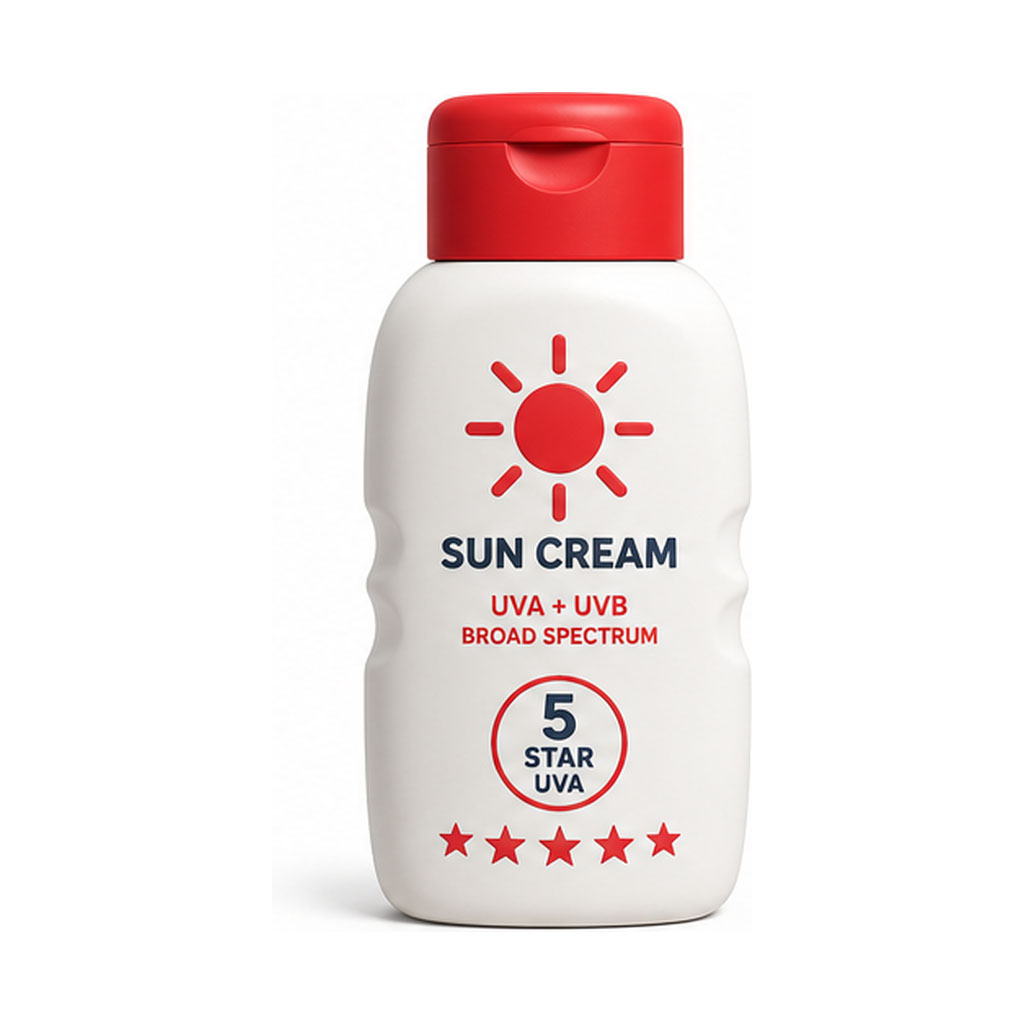
Apply suncream before leaving home, including on easy to miss areas such as your ears, neck and the back of your hands.
Choose suncream with:
- SPF 30 or higher
- A 5 star UVA rating
Apply it generously and reapply it regularly, particularly if you have been sweating. Suncream should be used alongside clothing and shade, rather than as your only protection.
Choose lightweight, loose-fitting and light-coloured clothes to help you stay cool. A thin T-shirt or long-sleeved top, loose trousers or longer shorts can protect your skin without making you too hot.
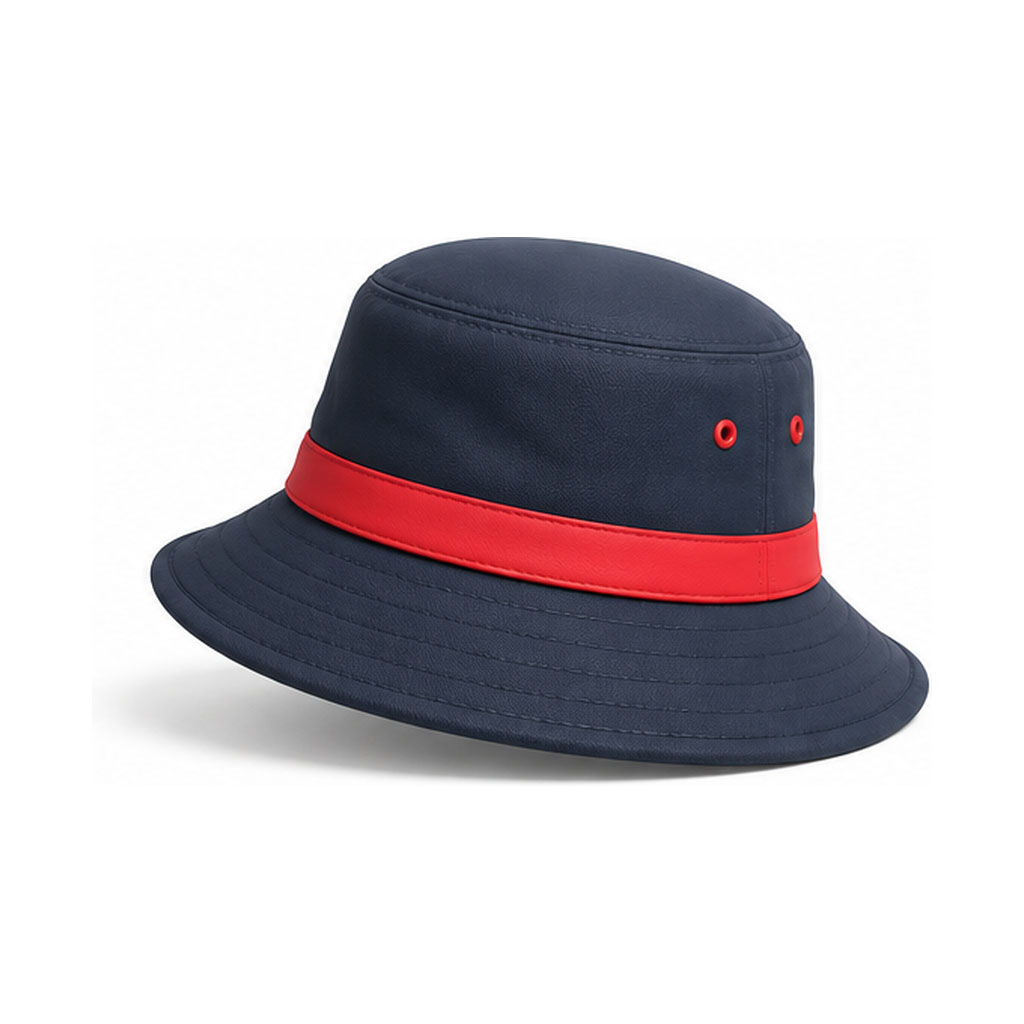
Wear a wide-brimmed hat or cap when you are outside to help protect your face, head, ears and neck from strong sunlight.
Try not to expose large areas of skin to strong sunlight for long periods.
Fill a reusable water bottle before leaving home and drink regularly throughout the day. Remember to refill it when needed, especially if you are active or travelling on public transport.
Water is one of the best choices for staying hydrated. Try to limit alcohol and caffiene, as they can make dehydration worse.
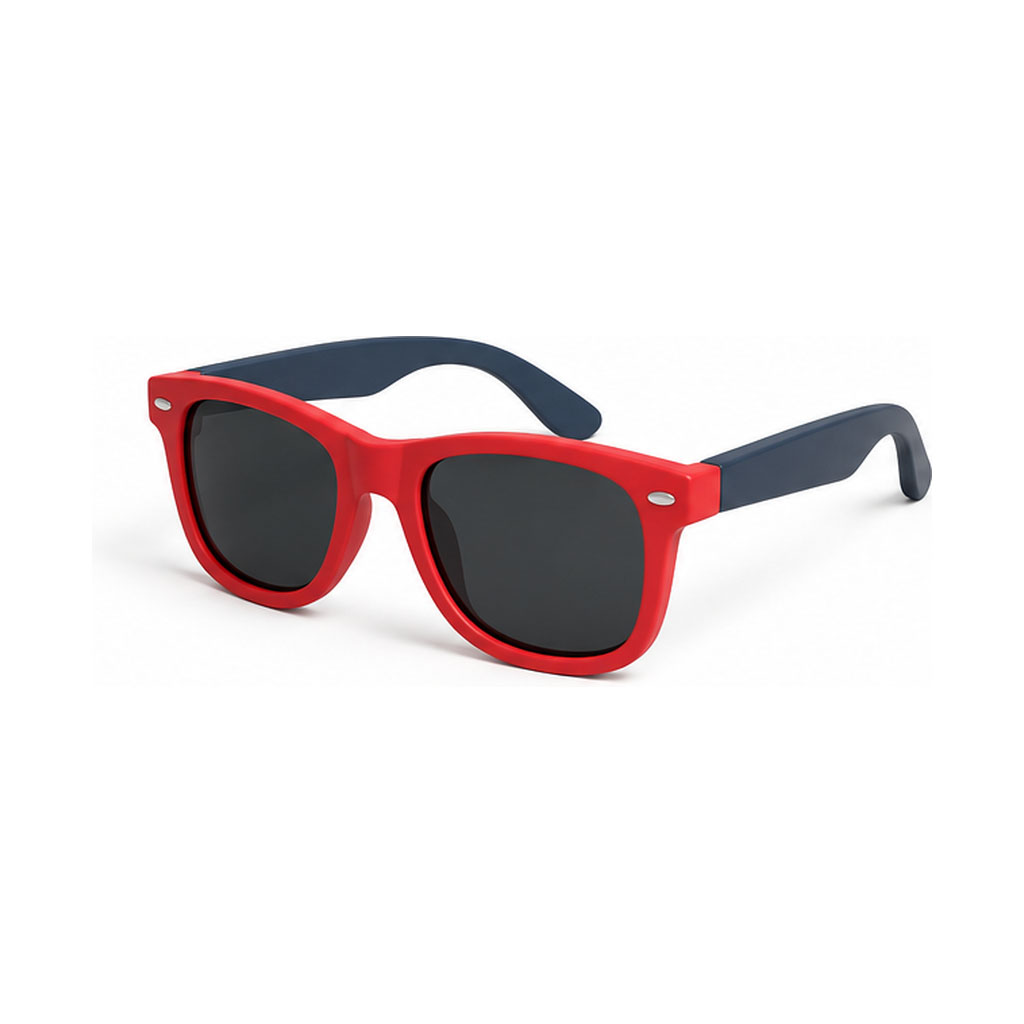
Wear sunglasses whenever you are outside in strong sunlight. Wraparound sunglasses, or sunglasses with wide arms, provide better protection around your eyes.
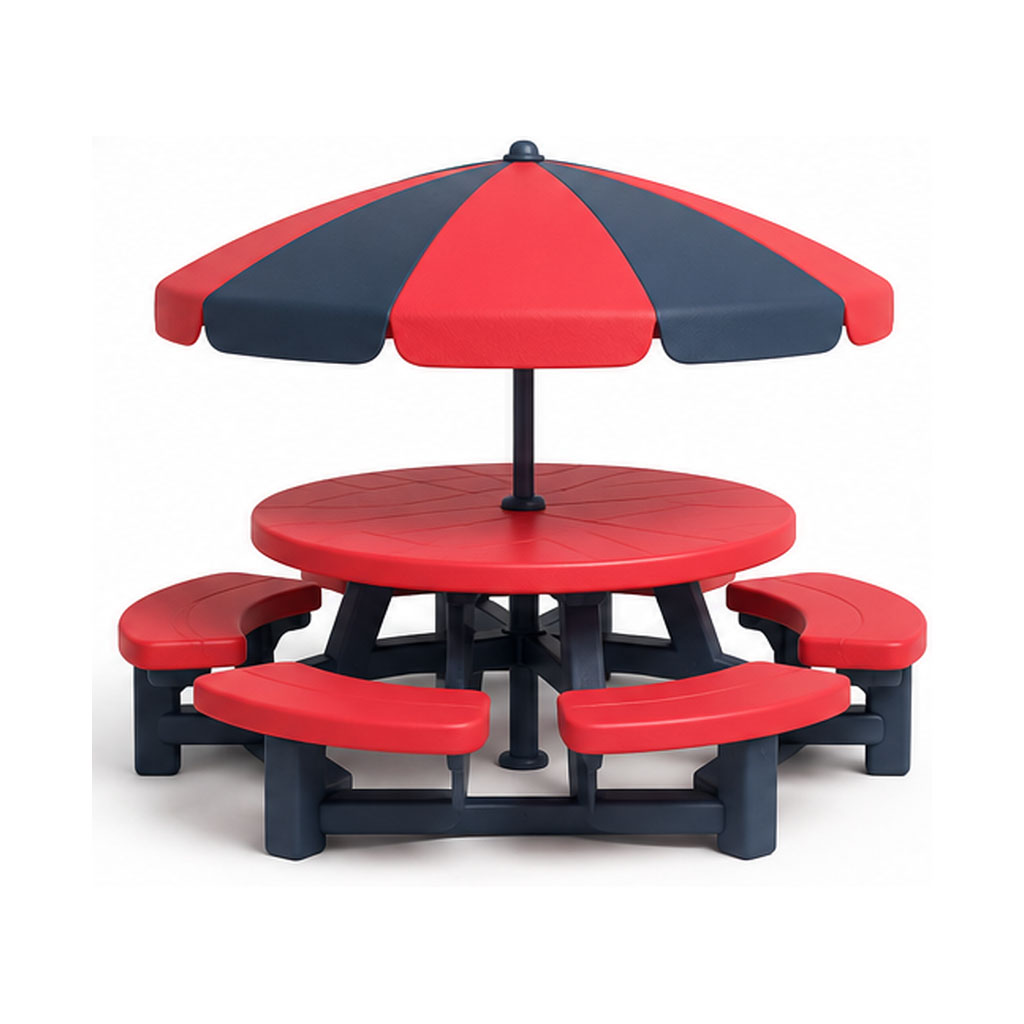
The sun is usually strongest between 11am and 3pm. Spend as much time as possible indoors or in the shade during these hours.
Try to plan exercise, longer walks and other physical activities for the morning or evening, when it is usually cooler.
Could it be heat exhaustion?
Heat exhaustion happens when your body becomes too hot and struggles to cool itself down.
Signs can include:
- Feeling very tired, weak or faint
- Dizziness
- A headache
- Feeling sick or being sick
- Heavy sweating
- Pale or clammy skin
- Muscle cramps
- A high temperature
- Feeling extremely thirsty
- Feeling unusually irritable
What to do
If you or someone else may have heat exhaustion:
- Move to a cool room or a shaded area.
- Remove unnecessary clothing, such as a jacket or extra layers.
- Drink plenty of cool water. A sports or rehydration drink can also help.
- Cool the skin with cool water, a fan or cold packs wrapped in a cloth.
- Stay with the person until they feel better.
They should begin to cool down and feel better within 30 minutes. Contact NHS 111 if you are struggling to treat the symptoms, need advice or the symptoms are getting worse.
Know when it is an emergency
Heatstroke is a medical emergency. Call 999 if someone:
- Is still unwell after 30 minutes of cooling down and drinking fluids
- Has a very high temperature
- Has hot skin but is not sweating
- Is breathing quickly or struggling to breathe
- Has a fast heartbeat
- Seems confused or uncoordinated
- Has a seizure
- Loses consciousness
Look out for each other
Check in with your friends and classmates during very hot weather. If you feel unwell while you are at college, tell a member of staff and move somewhere cool as soon as possible.